Flying Eye

CCTV Cameras
Watch Over What Matters Most
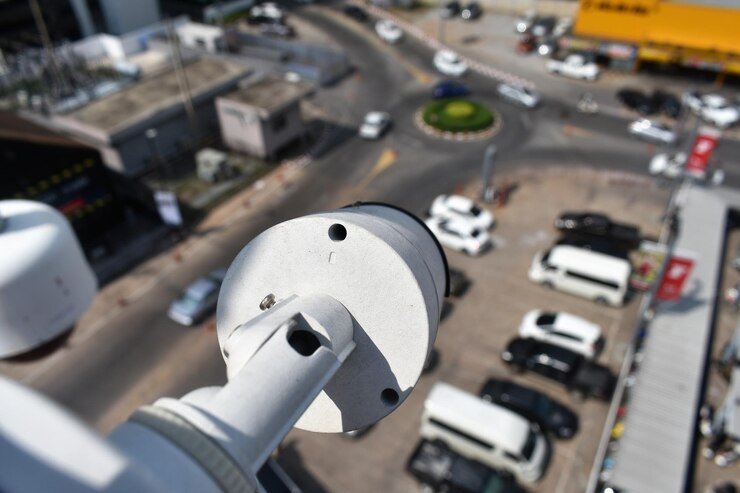
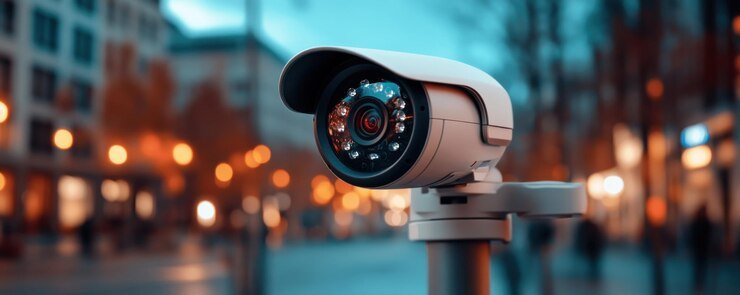
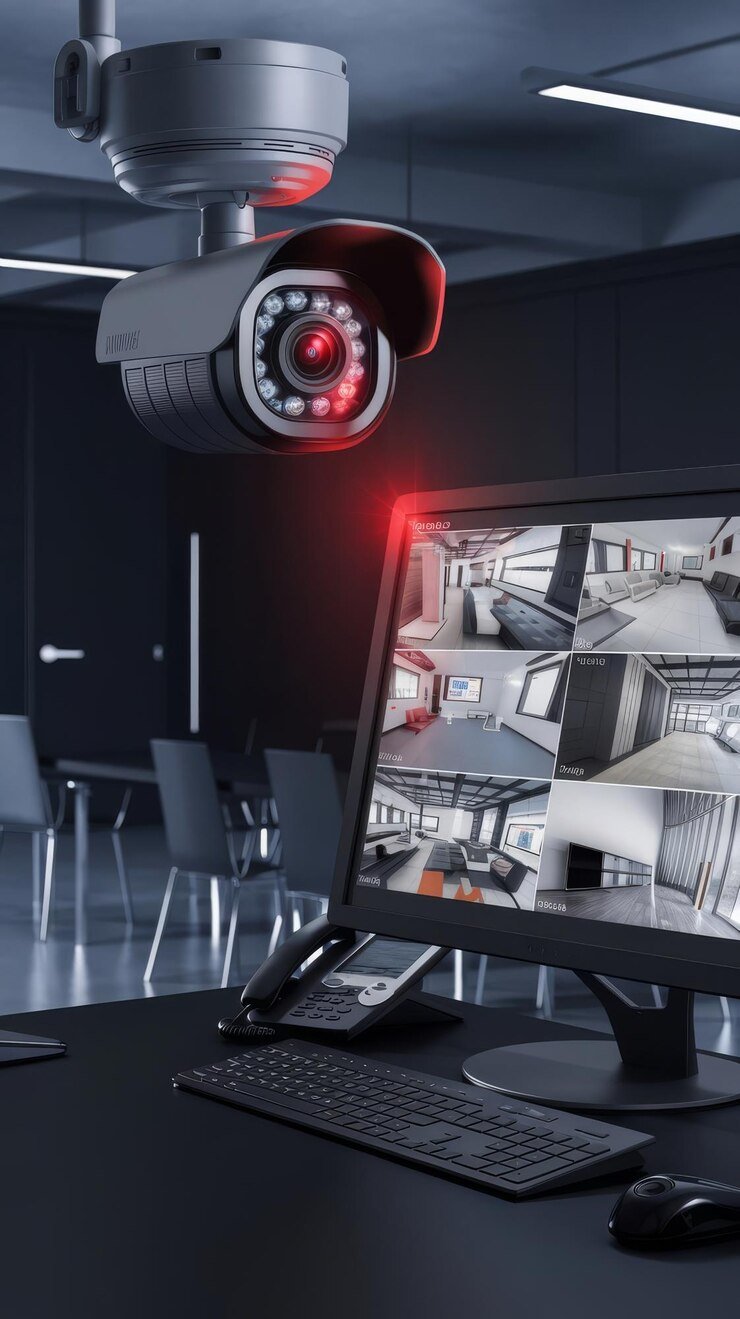
CCTV camera systems play a vital role in protecting people, property, and valuable assets by providing reliable 24/7 surveillance and security monitoring. They help deter theft, vandalism, and unauthorized access while recording important events that can be used as evidence when required. Modern CCTV solutions also allow users to monitor their homes, offices, shops, warehouses, and industrial facilities remotely through smartphones, tablets, or computers, ensuring peace of mind from anywhere.
Type Of CCTV Cameras
There are two main types of surveillance systems: Analog CCTV and IP Surveillance. Analog CCTV uses hard-wired coaxial cable connections with a DVR (Digital Video Recorder) and a separate power supply, making it suitable for small installations but more difficult to expand due to its fixed architecture. In contrast, IP Surveillance uses network cameras connected through a PoE (Power over Ethernet) switch to an NVR (Network Video Recorder), allowing both power and data to travel through a single Ethernet cable. This flexible and scalable design makes IP systems easier to install, expand, and manage as security requirements grow.
Social Media
CCTV Cameras - Types
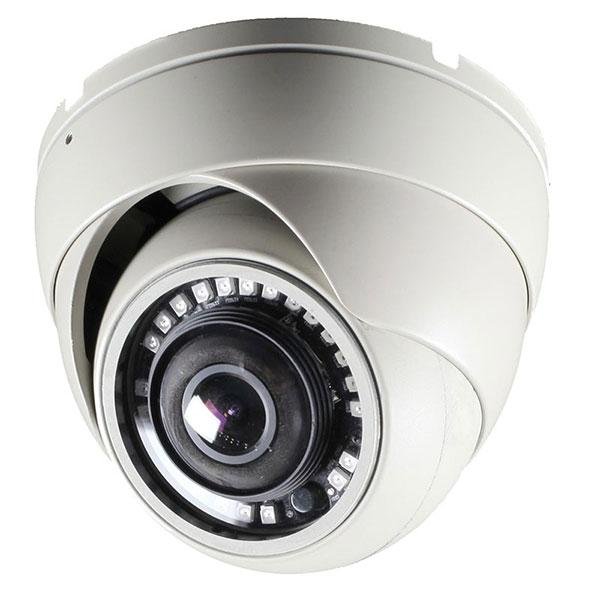
Dome Camera
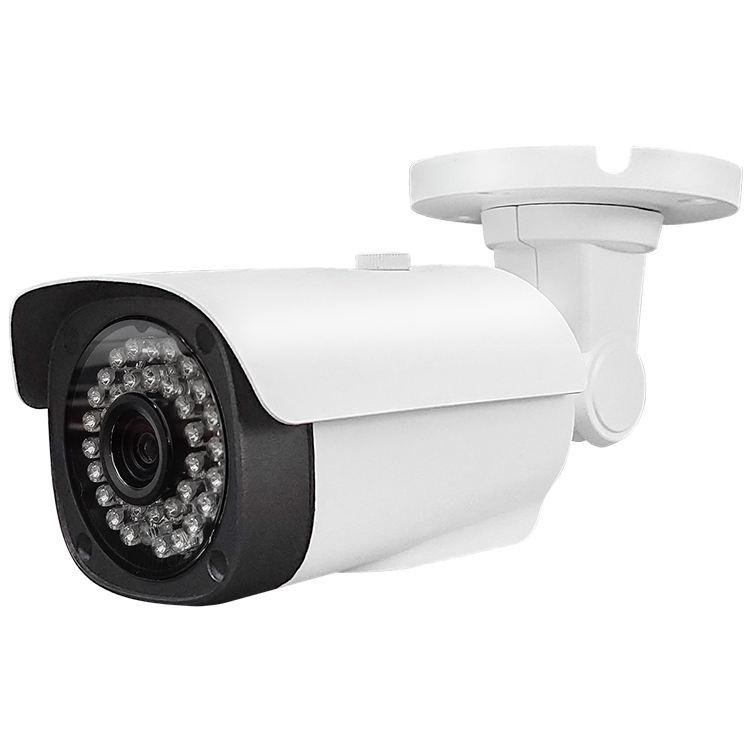
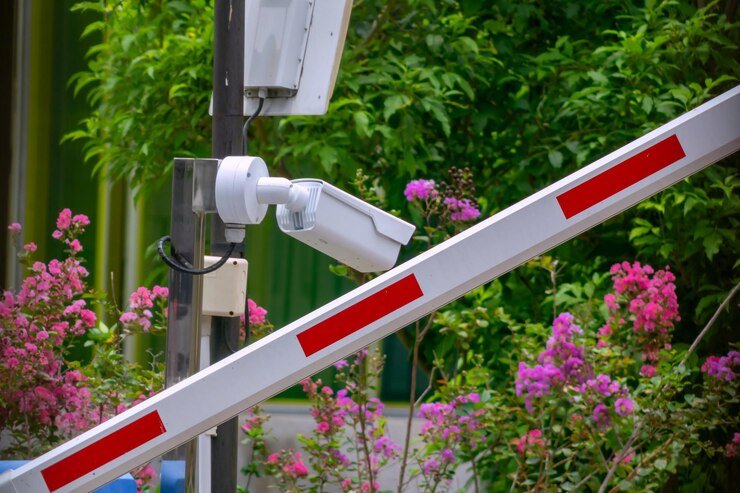
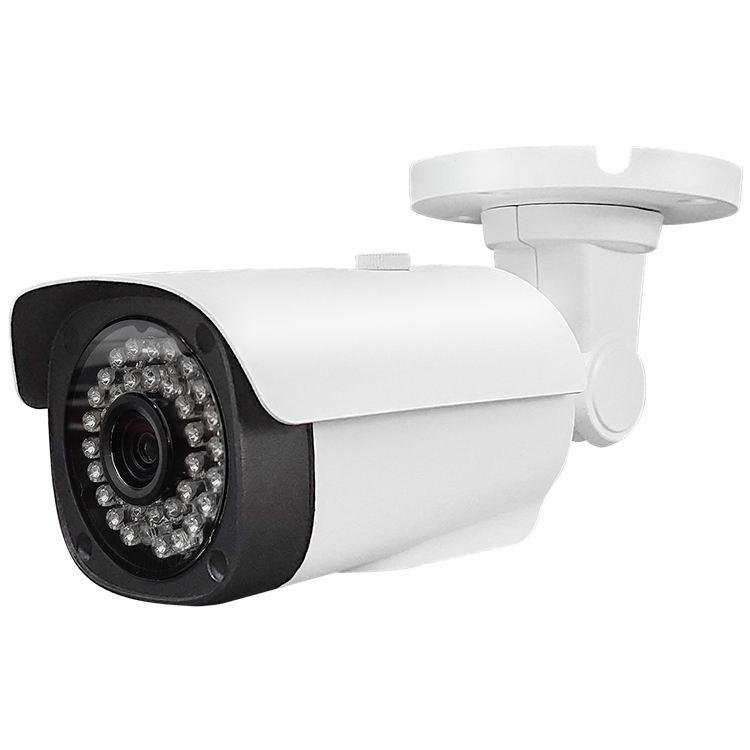
Bullet Camera
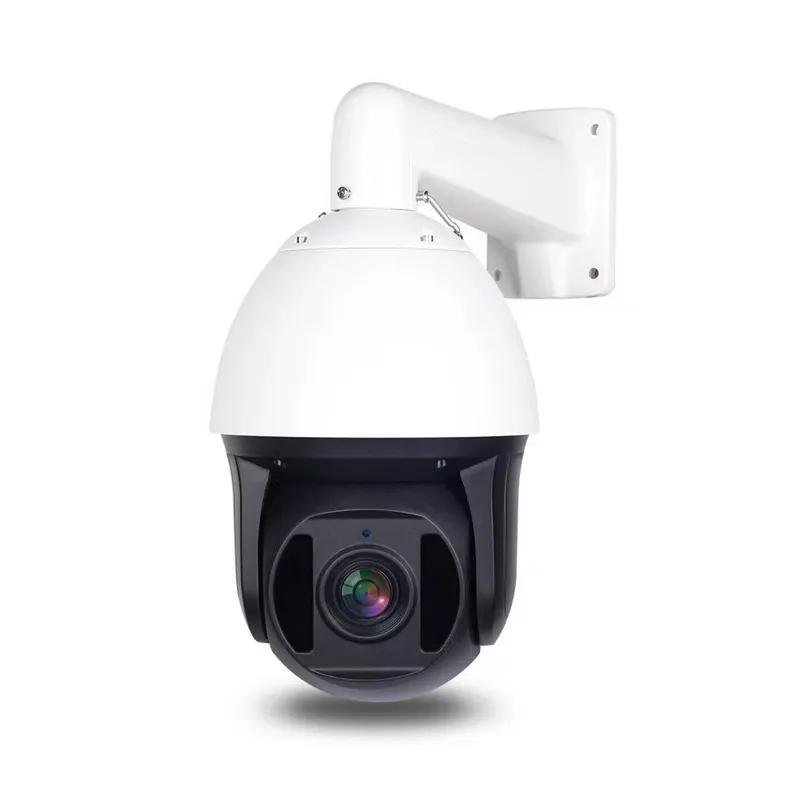
PTZ Camera
cameras allow remote pan, tilt, and zoom control while automatically tracking moving objects. They are best suited for large areas such as malls, stadiums, factories, and campuses.
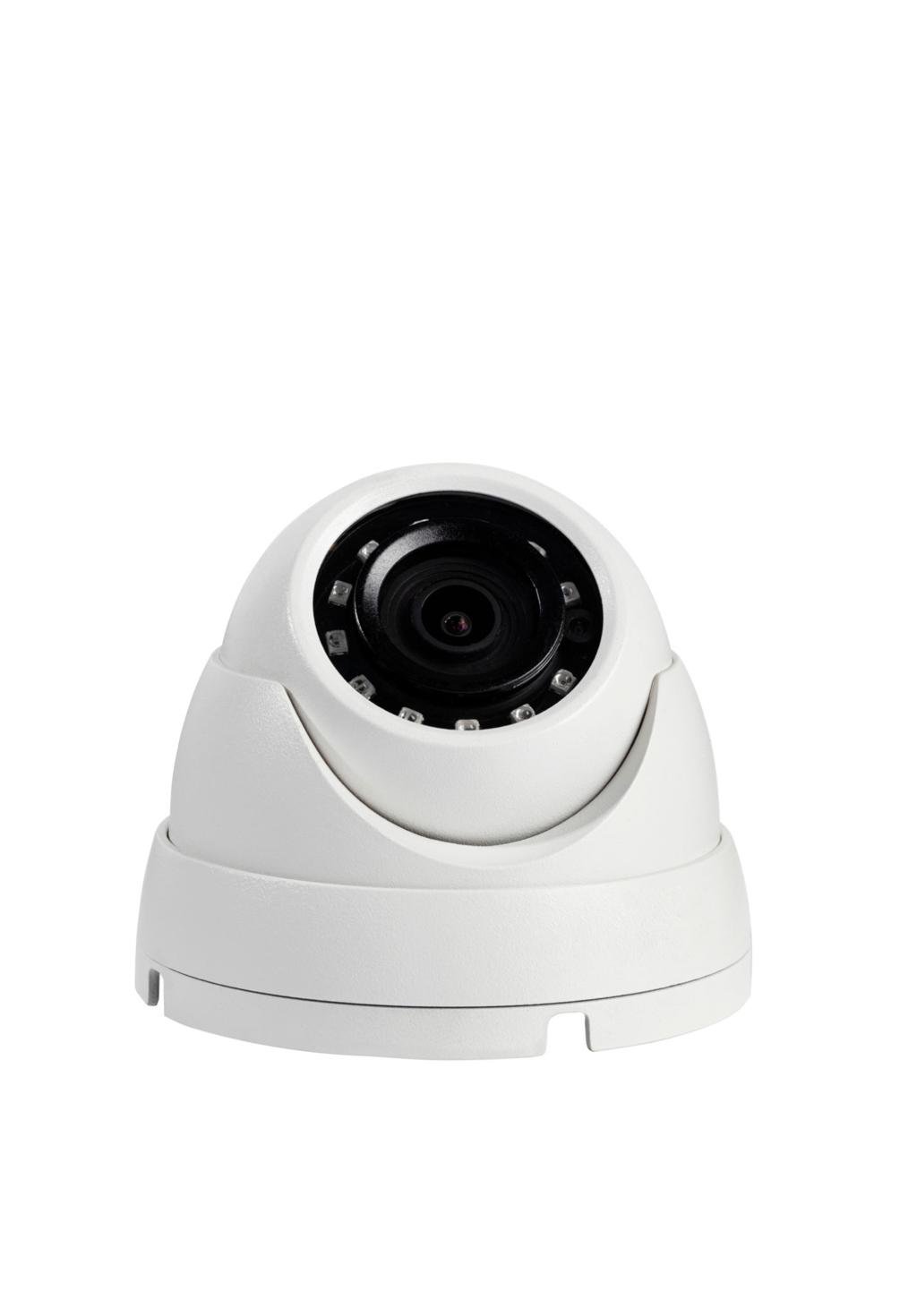
Turret Camera
Turret cameras provide flexible viewing angles and excellent night vision with reduced infrared reflection. They deliver clear, high-quality images for both indoor and outdoor applications.
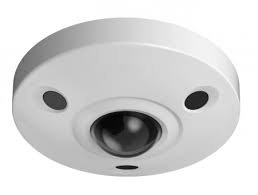
Fisheye / 360° Camera
Fisheye cameras offer an ultra-wide panoramic view, allowing a single camera to cover a large area. They also include dewarping technology for clear and detailed footage.
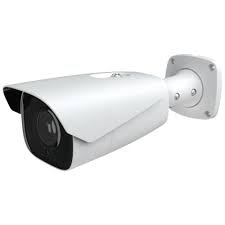
ANPR / LPR Camera
ANPR cameras use specialized lenses and intelligent software to capture and recognize vehicle license plates. They are widely used at toll plazas, parking lots, and secure entry points.
Thermal Camera
Thermal cameras detect heat signatures instead of visible light, making them effective in complete darkness, smoke, fog, and harsh weather conditions. They are commonly used for industrial, military, and critical infrastructure security.

Stay Inspired with Instagram